
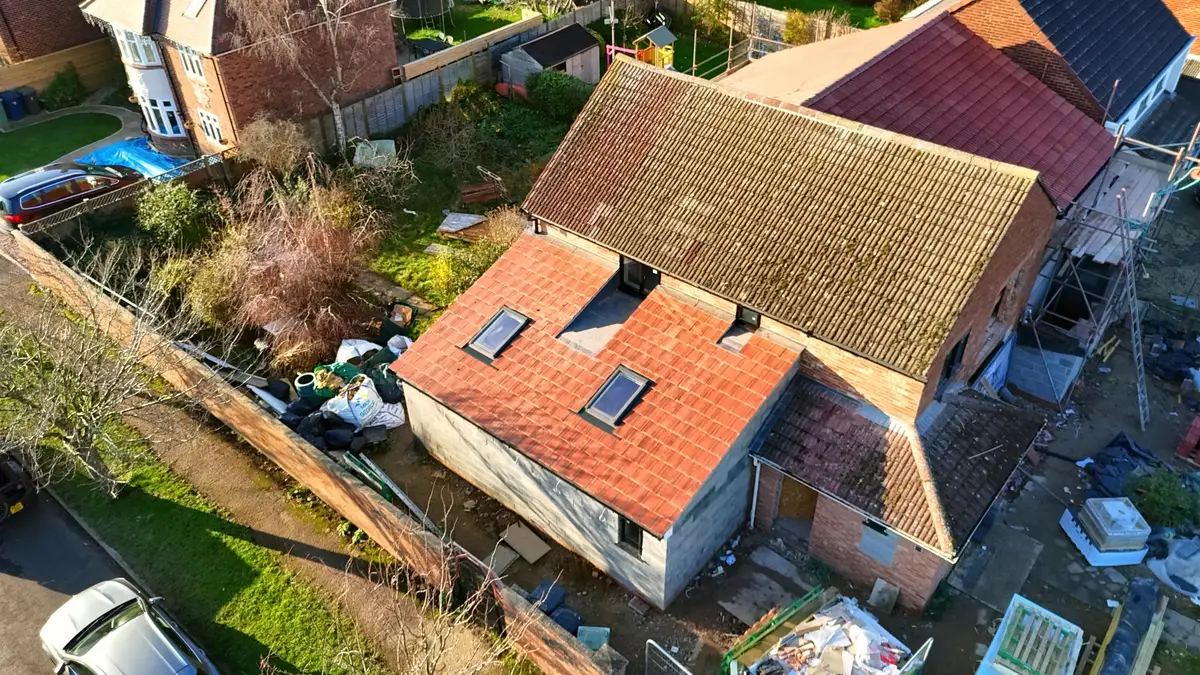
TL;DR: A loft conversion in Cambridge is one of the smartest ways to add space and value to your home without moving. Costs typically range from £30,000 to £50,000, and most projects complete in 6 to 12 weeks. Many conversions go ahead under permitted development, with no full planning application needed. This guide covers types, costs, planning rules, timelines, and how to pick the right team.
Cambridge is running out of room. Property prices keep climbing, gardens are precious, and moving to a bigger house often means leaving a neighbourhood you love. If that sounds familiar, you’re not alone. Thousands of Cambridge homeowners are sitting on unused loft space that could become a master bedroom, a home office, or a private retreat. A well-planned loft conversion in Cambridge lets you expand upwards instead of uprooting your life. In this guide, we’ll walk you through everything: types, costs, planning rules, timelines, and what to look for in a specialist team.
What Is a Loft Conversion and Why Does It Work So Well in Cambridge?
Cambridge has a high concentration of Victorian and Edwardian terraced homes, and these properties tend to have roof structures that lend themselves well to conversion. The pitch is steep enough for practical headroom, and the existing timber frame is often solid enough to work with. That means less structural intervention compared to some newer builds, which helps keep costs and timelines under control.
A loft conversion turns your unused attic space into a fully habitable room. It connects to the rest of your home via a new staircase and must comply with building regulations covering structure, fire safety, insulation, and ventilation. Done right, it feels like a natural part of the house rather than an afterthought.
It also avoids one of the biggest concerns for Cambridge homeowners: garden loss. Unlike a rear extension, a loft conversion keeps your outdoor space completely intact. For families in areas like Romsey, Petersfield, or Cherry Hinton, that matters a great deal.
Explore loft conversion design ideas for Cambridge homes to see what’s possible before you commit.
What Are the Different Types of Loft Conversion in Cambridge?
The four main types of loft conversion in Cambridge are Velux, dormer, hip-to-gable, and mansard. A Velux conversion is the simplest and most affordable, adding roof windows without changing the roof shape. A dormer extends out from the rear roof slope to create extra headroom and floor space. Hip-to-gable suits detached and semi-detached homes, while mansard conversions offer maximum space but usually need full planning permission.
Here’s a closer look at each:
Velux (Rooflight) Conversion This is the most cost-effective starting point. Roof windows are fitted into the existing slope without altering the structure. No planning permission is usually needed, and disruption is minimal. It works best when your loft already has enough headroom. A quiet home office or guest room often fits perfectly in this format.
Dormer Loft Conversion The most popular choice in Cambridge. A box-shaped structure extends from the rear roof slope, adding both headroom and usable floor area. Dormers suit the terraced Victorian homes that make up so much of Cambridge’s housing stock. They typically offer the best return on investment of all the conversion types.
Hip-to-Gable Conversion If your home has a hipped roof (one that slopes on all sides), this option extends the sloped side up to create a vertical gable wall. It opens up significantly more space than a Velux conversion and works well on semi-detached homes in areas like Trumpington and Kings Hedges.
Mansard Conversion This is the most substantial option. The entire rear roof slope is rebuilt almost vertically, with a flat or low-pitched top. It creates the most room of any conversion type but almost always requires a full planning application. It’s best suited to larger projects where maximum space is the priority.
How Much Does a Loft Conversion in Cambridge Cost?
A loft conversion in Cambridge typically costs between £30,000 and £50,000, with the average sitting around £37,000 according to Checkatrade’s Cambridge data. Simpler Velux conversions sit at the lower end, while dormer and mansard projects with ensuite bathrooms and high-end finishes push towards the top of that range.
Several factors drive the final number:
- Conversion type. A Velux conversion costs less than a full dormer, which in turn costs less than a mansard.
- Structural work required. If steel beams are needed to support the new floor, costs rise accordingly.
- Bathroom installation. Adding an ensuite significantly increases the budget due to plumbing and tiling work.
- Finishes and fittings. Bespoke storage, high-spec flooring, and premium glazing all affect the final figure.
- Planning and drawings. If a full planning application is required, budget an additional £700 to £1,500 for architectural drawings, plus the £258 householder application fee for Cambridge City Council.
A well-planned loft conversion often adds value to your home that comfortably exceeds the cost of the build, especially in a market as competitive as Cambridge.
Do You Need Planning Permission for a Loft Conversion in Cambridge?
Most loft conversions in Cambridge proceed under permitted development rights, meaning no formal planning application is needed. This applies to standard rear dormers and Velux conversions on typical houses, provided the project stays within defined limits: no more than 40 cubic metres of new roof space for terraced homes, and 50 cubic metres for detached and semi-detached properties.
There are important exceptions you need to know about:
Conservation areas and Article 4 directions. Cambridge has a number of conservation areas across the city centre and surrounding neighbourhoods. In these zones, permitted development rights are often removed or restricted. Any roof enlargement visible from the street will likely need a planning application. Since 2021, Article 4 directions have been used more frequently by councils to tighten local controls, so it’s worth checking with Cambridge City Council before assuming you’re clear.
Front-facing dormers. A dormer on the principal elevation of your home (the side that faces the road) requires full planning permission regardless of where you live.
Flats and maisonettes. Permitted development rights don’t apply to flats. If you own a flat in Cambridge, you’ll always need full planning permission for any loft conversion.
Lawful Development Certificate. Even if you don’t need planning permission, it’s strongly recommended to apply for a Lawful Development Certificate (LDC). It provides legal confirmation that the work was compliant and protects you at the point of sale. You can read the full national rules at the Planning Portal loft conversion guide.
Our Cambridge loft conversion planning guide goes deeper on the local rules and conservation area considerations specific to Cambridgeshire.
How Long Does a Loft Conversion in Cambridge Take?
A straightforward loft conversion in Cambridge takes between 6 and 8 weeks from the first day on site, according to Refresh Renovations Cambridge. More complex projects, including mansard conversions or those requiring planning permission, can run to 12 weeks or more. This is construction time only and doesn’t include the design and approvals phase that comes before it.
Here’s a rough breakdown of how the build typically progresses:
- Weeks 1-2: Structural work. The floor is strengthened, steel beams installed where needed, and the roof opened up. This is the noisiest phase.
- Weeks 3-4: Building the shell. Dormers or other structural changes take shape. Roof windows and external elements go in.
- Weeks 5-6: Internal works. Insulation, wiring, plumbing, and plastering are completed. The space starts to look like a room.
- Weeks 7-8: Finishing touches. Flooring, painting, fixtures, carpentry, and a final snagging walkthrough.
You can stay in your home throughout the build. The main disruption is noise during the structural phase, and a good team will keep the site clean and minimise the impact on your daily routine. The full loft conversion process involves several stages, and understanding them upfront helps you plan around the timeline.
Does a Loft Conversion Add Value to a Cambridge Home?
Cambridge’s housing market is driven heavily by liveable space. Buyers here pay a premium for extra bedrooms, functional home offices, and ensuites — all of which a loft conversion can deliver. Nationwide Building Society’s research consistently shows loft conversions outperform most other home improvements when it comes to the value they add.
In practical terms, a quality dormer loft conversion in Cambridge can increase property value by 15 to 20 percent, and in some parts of the city where space is especially limited, the return is higher still. A three-bedroom terraced home that gains a fourth bedroom with an ensuite becomes significantly more competitive at resale.
Even if you’re not planning to sell, the value is real. A home office that saves you commuting time, a master bedroom suite that gives you privacy, or a guest room that means family can visit comfortably: these are returns you benefit from every day.
How Do You Choose the Right Loft Conversion Company in Cambridge?
The right loft conversion company in Cambridge will handle every stage of the project, from initial assessment and design through to building regulations sign-off. They won’t just build the structure; they’ll manage planning applications, coordinate trades, and keep the timeline honest.
When you’re comparing companies, look for:
- A full-service approach. Design, planning, construction, and building control should all be handled by one team. It removes the coordination risk and keeps accountability clear.
- Relevant local experience. Cambridge has conservation areas, Victorian rooflines, and specific planning sensitivities. A company that has worked locally will navigate these faster than one that hasn’t.
- Transparent, itemised quotes. A good quote breaks down labour, materials, structural work, and any planning or drawing costs. Vague lump-sum numbers are a red flag.
- References and completed projects. Ask to see examples of their Cambridge work and speak to previous clients if possible.
Read our full guide on choosing the right loft conversion company in Cambridge before you start getting quotes.
At Truleum, we manage every stage of your project from the first conversation to the final completion certificate. Our team works across Cambridge and Cambridgeshire, and we take pride in the detail of our work as much as the structure of it. If you’re ready to take the next step, get in touch with us for a free quote.
Ready to Start Your Loft Conversion in Cambridge?
A loft conversion in Cambridge done well is one of the best investments a homeowner can make. It adds space without touching your garden, increases your property’s value, and transforms a part of your home you’ve never really used into somewhere you’ll love.
The key is getting the type right for your home, understanding the planning position early, and working with a team that manages the whole process so you don’t have to. That’s exactly what we do at Truleum.
Contact us today for a free consultation and let’s talk through what’s possible for your home.
Frequently Asked Questions
Does a loft conversion in Cambridge add value to my home?
Yes. A well-executed loft conversion in Cambridge can increase property value by 15 to 20 percent, and sometimes more in areas with limited space. The return is strongest when the conversion adds a proper bedroom with an ensuite, as this changes the bedroom count of the property and opens it to a wider pool of buyers.
What minimum headroom do I need for a loft conversion in Cambridge?
You’ll need at least 2.2 metres of head height at the highest point of your existing loft for a conversion to be practical. This is measured from the floor joists to the ridge of the roof. If your headroom is slightly below this, a dormer or hip-to-gable conversion can create the additional height you need.
Can I stay in my home during a loft conversion in Cambridge?
Yes, in most cases you can stay in your home throughout the build. The noisiest work happens during the first two weeks when structural changes take place. A good loft conversion company will protect the internal areas of your home, keep the site tidy at the end of each day, and communicate clearly about what’s happening and when.
What building regulations apply to loft conversions in Cambridge?
All loft conversions must comply with building regulations regardless of whether planning permission is needed. Key requirements include structural integrity of the new floor and roof, a fixed staircase with adequate headroom, fire safety measures including protected escape routes and interconnected smoke alarms, proper insulation to meet thermal performance standards, and adequate ventilation. Your conversion company should handle the building regulations application and arrange the necessary inspections throughout the build.
Is a mansard loft conversion suitable for Cambridge terraced homes?
A mansard conversion can work well on terraced homes in Cambridge, particularly those in central areas where maximising space is a priority. However, it almost always requires a full planning application because of the significant change to the roof shape. In conservation areas, approval can be harder to obtain. A dormer conversion is often the more practical choice for terraced Cambridge properties, offering strong results at lower cost and without the planning complexity.