
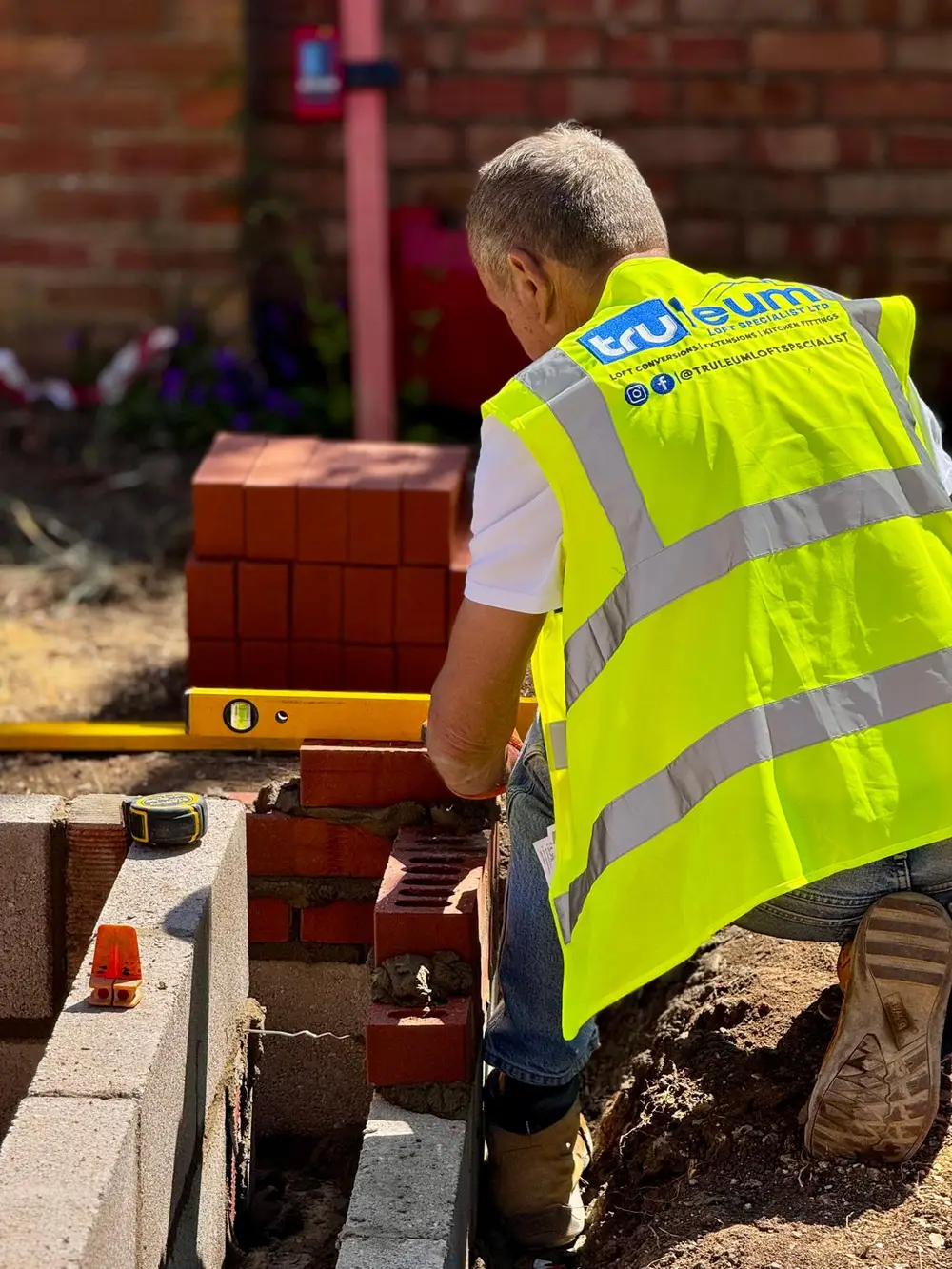
TL;DR: Cambridge loft conversions are one of the strongest home improvement investments in the UK right now. With city house prices rising faster than the national average and space at a premium across Victorian and Edwardian neighbourhoods, converting your loft can add up to 24% to your property value. This post helps you work out if your home qualifies, which type suits you, and what to budget in 2026.
Cambridge property prices rose 4.7% between January 2024 and January 2025, outpacing the wider East of England. Moving to a bigger home costs more than it ever has. And yet thousands of Cambridge homeowners are sitting on unused loft space that could become a bedroom, an office, or a suite. Cambridge loft conversions are one of the few home improvements where the return regularly exceeds the cost. But not every home suits every type, and not every quote tells the full story. This guide helps you work out where you stand before you call anyone.
Why Cambridge Is One of the Best Places in the UK for a Loft Conversion
Cambridge punches above its weight when it comes to loft conversion returns. Several things work in your favour here that don’t apply in most UK cities.
First, the housing stock. Cambridge has a high concentration of Victorian and Edwardian terraced and semi-detached homes. These properties were built with traditional pitched timber-frame roofs — the kind that lend themselves well to conversion without extensive structural intervention. Newer homes with W-shaped trussed roofs require significantly more work. In Cambridge, the majority of properties in areas like Romsey, Petersfield, and Newnham already have the right bones.
Second, the market. Cambridge house prices averaged £430,000 in early 2025, driven by demand from professionals working in the city’s tech and biotech sectors. Buyers here are space-conscious and willing to pay for extra bedrooms. That buyer profile means a well-executed loft conversion carries real weight at the point of sale.
Third, the garden. Cambridge homeowners in dense terraced neighbourhoods are often reluctant to sacrifice outdoor space with a rear extension. A loft conversion solves the space problem without touching the garden at all. That’s a practical advantage that resonates strongly in areas like Cherry Hinton and Trumpington.
How Much Value Do Cambridge Loft Conversions Actually Add?
A loft conversion with a bedroom and bathroom can add up to 24% to a Cambridge home’s value. That figure comes from Nationwide’s October 2025 research, which analysed property sales data from October 2024 to September 2025. In a city where average prices sit at £430,000, a 24% uplift represents over £100,000 in added value — comfortably ahead of the cost of the build.
The reason bedroom count matters so much is straightforward. Estate agents price properties heavily on how many bedrooms they have. A three-bedroom terraced home that gains a fourth bedroom with an ensuite jumps into a different buyer bracket entirely. Adding a double bedroom alone can increase a two-bedroom home’s value by 13%, with the bathroom addition pushing that figure further.
There’s an important caveat. The uplift only works if the ceiling price in your area supports it. If most four-bedroom homes on your street sell for only slightly more than three-bedroom ones, the gap between cost and return narrows. It’s worth checking comparable sales locally before committing. Our post on whether a loft conversion is worth it in Cambridge breaks this down in more detail.
Is Your Cambridge Home Suitable for a Loft Conversion?
Most Cambridge properties are suitable for loft conversions, particularly pre-1960s terraced and semi-detached homes with traditional pitched roofs. The key requirement is headroom: you’ll need at least 2.2 metres at the highest point of your existing loft, measured from the floor joists to the underside of the ridge beam. If your home falls short, certain conversion types can create additional height.
Here’s what to check before getting quotes:
Roof type. Traditional timber-framed roofs (common in pre-1960s Cambridge homes) are easier and cheaper to work with. Modern trussed roofs — those with the W-shaped internal supports — can still be converted but need more structural modification, which adds cost. If you’re unsure which you have, a quick look in the loft will tell you.
Headroom. If you can stand comfortably in the middle of your loft, you’re likely in good shape. Below 2.2 metres doesn’t automatically rule out a conversion, but it does mean a dormer or hip-to-gable design becomes necessary to create the height.
Conservation area status. A significant portion of central Cambridge falls within conservation areas. This doesn’t prevent loft conversions, but it does affect what’s permitted under permitted development rights. Some projects that would be straightforward elsewhere require a full planning application here.
Terraced homes and party walls. If your Cambridge home is terraced or semi-detached, you’ll likely need to serve a Party Wall Notice on your neighbours before work begins. This needs to happen at least two months before the build starts. It’s not complicated, but missing it causes delays.
Which Type of Cambridge Loft Conversion Suits Your Home?
The type of conversion that works best depends on your roof shape, your property type, and what you want to use the space for. Here’s how the main types map to Cambridge homes and neighbourhoods:
Velux (Rooflight) Conversion Best for properties that already have good headroom and a straightforward roof. Velux windows are fitted into the existing slope with no structural changes. It’s the fastest and most affordable option, and it almost never needs planning permission. Ideal for a home office or guest room in areas like Newnham or Chesterton where the existing loft height is generous.
Dormer Conversion The most popular choice across Cambridge. A box-shaped structure extends from the rear roof slope, adding real headroom and usable floor space. It suits the Victorian terraces that dominate Romsey, Petersfield, and Mill Road-adjacent streets. Rear dormers go ahead under permitted development in most cases and typically deliver the strongest return on investment of any conversion type. See our loft conversion design ideas for Cambridge homes for examples of how dormers are being finished in 2026.
Hip-to-Gable Conversion If your home has a hipped roof (one that slopes on all four sides), this extends the sloped side outward to create a vertical gable wall and significantly more internal space. It’s the go-to option for semi-detached homes in Cherry Hinton, Trumpington, and Kings Hedges. Often combined with a rear dormer for maximum impact.
Mansard Conversion The most substantial option — the rear slope is rebuilt almost vertically, creating the maximum possible living space. It almost always needs a full planning application, and in conservation areas, getting that approved takes longer. It’s best suited to homeowners in central Cambridge who want maximum room and are prepared for a longer process. Our complete Cambridge loft conversion guide for homeowners covers all four types in depth.
What Do Cambridge Loft Conversions Actually Cost in 2026?
Cambridge loft conversions typically cost between £30,000 and £50,000. Velux conversions start around £25,000–£35,000. Dormer conversions run £35,000–£45,000. Hip-to-gable and mansard projects start at £40,000 and can exceed £55,000, particularly when an ensuite is included. According to Checkatrade’s Cambridge data, the average across all conversion types sits at around £37,195.
What drives the cost up:
- Ensuite bathroom. Plumbing, waterproofing, and tiling add £8,000–£15,000 to a project, but it’s often the single biggest driver of property value uplift.
- Structural steels. If the floor needs reinforcing with steel beams, that’s additional cost and time.
- Bespoke finishes. Custom joinery, high-spec flooring, and premium glazing all increase the final figure.
- Planning drawings. If a full planning application is needed, budget £700–£1,500 for architectural drawings plus the council fee.
- Party wall costs. If neighbours appoint their own surveyor, you may need to cover their fees (typically £700–£1,500 per neighbour).
Always budget a 10–15% contingency on top of your quoted price. Unexpected structural issues — particularly in older Cambridge properties — are not unusual once a roof is opened up.
What Are the Biggest Mistakes Cambridge Homeowners Make With Loft Conversions?
The most common mistakes are assuming your loft qualifies without checking headroom first, underestimating the planning position in conservation areas, and accepting a vague lump-sum quote without a full cost breakdown. Each of these can cost you thousands and weeks of delay.
Here are the ones we see most often:
Not checking conservation area status early. A significant part of Cambridge falls within conservation or Article 4 areas where permitted development rights are restricted. Homeowners sometimes commission drawings and even begin negotiations with builders before discovering their property needs a full planning application. Check with Cambridge City Council before getting quotes.
Skipping the Lawful Development Certificate. Even when planning permission isn’t needed, an LDC provides legal proof that the work complied with permitted development rules. Without it, buyers and their solicitors may raise concerns at the point of sale. It’s a straightforward application and worth doing on every project.
Choosing the cheapest quote. A quote significantly below others usually means something is missing: structural work, building regulations fees, or finishing costs. Ask every company for an itemised breakdown. If a line item is missing, ask why. A vague lump sum is almost always a red flag.
Ignoring party wall obligations. For terraced and semi-detached Cambridge homes, Party Wall Notices need to be served at least two months before work starts. Forgetting this holds up an otherwise ready-to-go project. Our guide on mistakes to avoid with Cambridge loft conversions covers this and several other common pitfalls in detail.
Is Now the Right Time for a Cambridge Loft Conversion?
Cambridge’s property market is in a strong position. Prices are rising, demand from tech and biotech professionals continues to push values up, and the cost of moving is higher than it’s been for years. Against that backdrop, improving the home you’re in — rather than paying stamp duty on a new one — makes more financial sense than ever.
The demand for home offices hasn’t gone away. Hybrid working has made a dedicated, properly insulated, properly lit workspace a genuine priority for Cambridge buyers. A loft conversion that delivers this, alongside an extra bedroom, positions your home strongly in a competitive market.
Build costs have stabilised after the volatility of 2022 and 2023. Getting in now — before any further material or labour increases — is a reasonable approach.
Ready to Take the Next Step?
Cambridge loft conversions work best when the type matches the property, the planning position is understood early, and the project is managed by one team from start to finish. That’s exactly how we work at Truleum.
We cover Cambridge and the wider Cambridgeshire area. We handle design, planning, structural work, building regulations, and completion — so you don’t have to coordinate between multiple contractors or chase paperwork.
Get in touch for a free site visit and quote. We’ll assess your loft, confirm your planning position, and give you a detailed written quote with no obligation.
Frequently Asked Questions
Are Cambridge loft conversions worth it in 2026?
Yes, for most homeowners in Cambridge they are. Nationwide’s October 2025 research found that a loft conversion adding a bedroom and bathroom can increase a home’s value by up to 24%. In a city where average prices sit at £430,000, that return comfortably exceeds the typical build cost of £35,000–£50,000. The strongest returns come when the conversion changes your property’s bedroom count and adds an ensuite.
Which Cambridge neighbourhoods are best suited to loft conversions?
Victorian and Edwardian neighbourhoods with traditional pitched roofs are the best candidates: Romsey, Petersfield, Newnham, Chesterton, and Mill Road areas suit dormer conversions well. Semi-detached homes in Cherry Hinton, Trumpington, and Kings Hedges are strong candidates for hip-to-gable designs. Conservation area properties in the city centre can be converted but may need a full planning application rather than relying on permitted development.
How do Cambridge loft conversion costs compare to London?
Cambridge is notably more affordable than central London, where loft conversion costs can run from £84,000 to £144,000 for comparable projects. In Cambridge, a fully finished dormer conversion typically comes in at £35,000–£45,000. The value uplift in Cambridge is also strong, making the return on investment more favourable than in many London postcodes where the cost-to-value ratio is tighter.
Can I convert a loft on a Cambridge terraced house?
Yes. Terraced homes are among the most commonly converted properties in Cambridge, and rear dormer conversions are particularly well-suited to them. You’ll need to serve Party Wall Notices on your neighbours at least two months before work starts. Most rear dormers on terraced houses also qualify under permitted development rights, meaning no full planning application is needed — though it’s worth getting a Lawful Development Certificate to confirm this legally.
Do Cambridge loft conversions need planning permission?
Most don’t. Standard rear dormers and Velux conversions on houses typically qualify under permitted development rights, provided the project stays within the 40 cubic metre limit for terraced homes (50 cubic metres for detached and semi-detached). Exceptions include properties in conservation areas, front-facing dormers, flats, and homes covered by Article 4 directions. Cambridge has several conservation areas where the rules are stricter, so always check your property’s status before assuming permitted development applies.